If you live with chronic pain, you may have noticed something familiar as the temperatures start dropping in Northern Virginia. The ache in your knee that was manageable in September feels sharper in October. Your lower back is stiffer when you get out of bed. Neuropathy symptoms that quieted down over the summer seem to be flaring up again. You're not imagining it. Cold weather genuinely affects the way many chronic pain conditions feel, and for patients in Fairfax, Burke, Vienna, Springfield, Annandale, Falls Church, and throughout Northern Virginia, this time of year can be one of the hardest. Here's what's happening, and what you can do about it.
Why Cold Weather Makes Pain Feel Worse
There are a few things going on when temperatures fall and pain increases. One of the most common explanations is changes in barometric pressure. When cold air moves in, pressure changes can cause tissues to expand slightly, which puts more stress on joints and nerves that are already sensitized. It's a subtle shift, but for someone dealing with arthritis, nerve damage, or chronic inflammation, it can be enough to tip the scales from manageable to miserable.
Cold temperatures also cause muscles to tighten and blood vessels to constrict. That means less circulation reaching the areas that are already struggling. For people with neuropathy, reduced circulation in the extremities can intensify the burning, tingling, and numbness that already affects daily life. For back pain patients, tight muscles mean more tension on an already stressed spine.
And then there's the simple fact that people move less in winter. Less walking, less activity, more time sitting or staying bundled up indoors. For joints and muscles, reduced movement leads to more stiffness and more discomfort over time.
Conditions That Tend to Flare Up in Colder Months
While every patient is different, a few conditions seem especially sensitive to the fall and winter shift in Northern Virginia.
Neuropathy: Cold temperatures and reduced circulation can make neuropathy symptoms feel significantly worse. Burning, numbness, tingling, and sensitivity in the feet and hands often intensify when the body is working harder to stay warm. For patients who've been managing neuropathy through warmer months, October and November can feel like a step backward.
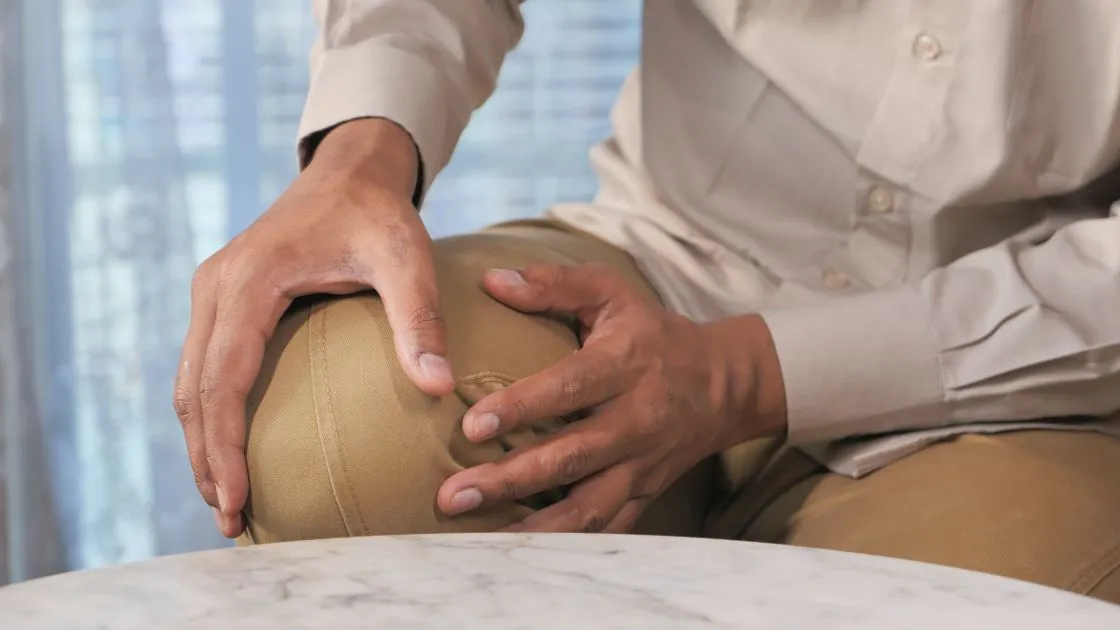
Knee pain: Whether it's from osteoarthritis, an old injury, or general wear and tear, knee pain often flares with pressure and temperature changes. Stiffness after sitting, difficulty on stairs, and aching that wakes you up at night are all common complaints this time of year.
Back pain: Cold-related muscle tension in the back and core can aggravate disc issues, nerve compression, and general lower back pain. If getting out of bed in the morning has started to feel harder, colder weather is often part of the equation.
Arthritis: Joint inflammation doesn't take a break in the fall. For many arthritis patients, the combination of pressure changes and cold temps makes this one of the most difficult seasons of the year.
You Don't Have to Just Endure It
A lot of patients accept seasonal pain flares as something they just have to push through. That's understandable. But you don't have to live with this. There are real options that can help, and the fall is actually a great time to explore them before the winter season is fully underway.
At Laser Spine and Pain Center in Fairfax, MLS Laser therapy is one of the most effective tools we have for addressing the kinds of conditions that worsen in cold weather. MLS stands for Multiwave Locked System. It uses specific wavelengths of light energy to reduce inflammation, improve circulation to affected tissues, and support the body's natural healing process. It's a non-surgical option with no downtime.
For neuropathy patients, MLS Laser therapy has helped many people experience lasting relief from burning and numbness in the feet and hands. For knee pain, it can reduce swelling and improve function. For back pain and arthritis, it targets inflammation at the source rather than just masking symptoms.
Every patient gets a personalized treatment plan tailored to their specific condition and history. There's no one-size-fits-all approach here. We take the time to understand what you're dealing with before recommending anything.
Don't Put It Off Until After the Holidays
This is the season when patients most often say they'll deal with it in the new year. Life gets busy, the holidays are coming, and scheduling a consultation feels like one more thing on a long list. We get it. But waiting through an entire winter of worsening symptoms means months of reduced quality of life, less activity, and more time spent managing discomfort instead of enjoying the season.
If you've been thinking about exploring laser therapy for neuropathy, knee pain, back pain, or arthritis, October is a smart time to act. Getting started now means you could be seeing real progress before the coldest months arrive. Get back to living the life you want, not a smaller version of it shaped around the pain.
Frequently Asked Questions
Why does cold weather make chronic pain worse?
Cold weather affects chronic pain through several mechanisms, including barometric pressure changes, reduced circulation, and muscle tightening. These factors can increase inflammation in sensitive joints and nerves, making conditions like neuropathy, arthritis, and back pain feel more intense during fall and winter months.
Does MLS Laser therapy help with neuropathy symptoms?
MLS Laser therapy has been shown to help many patients find lasting relief from neuropathy symptoms including burning, numbness, and tingling in the feet and hands. It works by improving circulation and reducing inflammation in affected nerve tissue. Results vary by patient, and we build a personalized treatment plan for everyone we see.
Is MLS Laser therapy a surgical treatment?
No. MLS Laser therapy is a non-surgical option for chronic pain. It does not involve any incisions or recovery time. Patients are able to go about their day after treatment. It's one of the minimally invasive options we offer for patients who want to explore alternatives to surgery.
What conditions can MLS Laser therapy treat?
MLS Laser therapy is used to treat a range of conditions including neuropathy, knee pain, back pain, arthritis, shoulder pain, and more. At Laser Spine and Pain Center, we work with patients dealing with chronic pain from a variety of causes and create personalized treatment plans based on each individual's situation.
How do I get started with MLS Laser therapy in Fairfax, VA?
The first step is scheduling a consultation. Our team serves patients from Fairfax, Burke, Vienna, Springfield, Annandale, Falls Church, Alexandria, Reston, and throughout Northern Virginia. Call us at (571) 489-8415 to schedule your appointment and talk through whether MLS Laser therapy is the right fit for you.
Take the First Step Before Winter Settles In
Cold weather and chronic pain don't have to go hand in hand. If your symptoms have been getting worse with the changing season, there are real options available to help. Laser Spine and Pain Center in Fairfax is here to help patients across Northern Virginia get back to living. Call (571) 489-8415 today to schedule a consultation. You don't have to live with this.