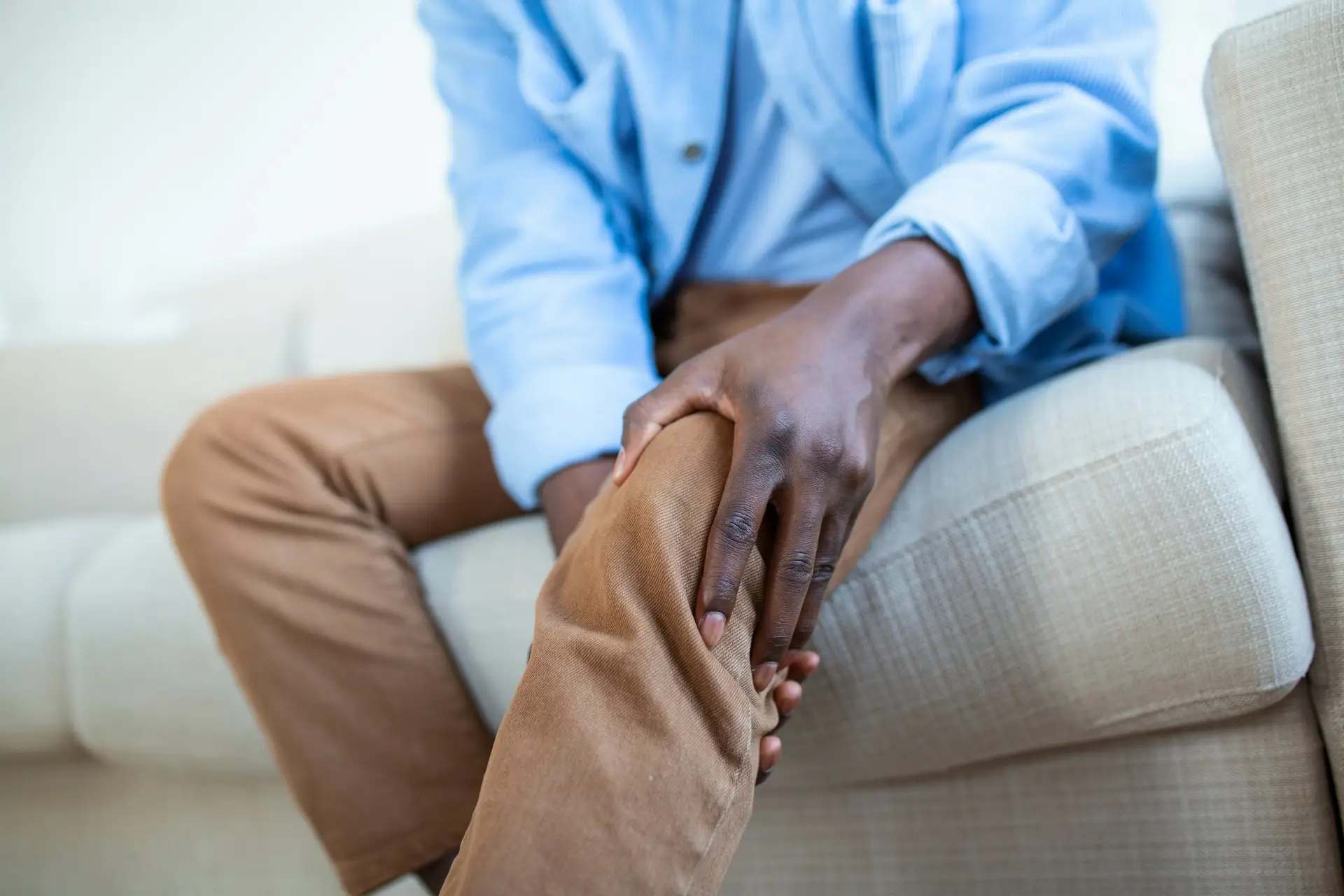
When colder months settle in, everyday movement can feel a little more difficult. For those living with knee discomfort, something as simple as walking from one room to another starts to feel heavier than usual. Bending, standing, or climbing stairs may not be impossible, but they often come with a new sense of caution. We know that winter routines can highlight these small shifts. The pace slows, bodies feel stiffer, and old aches become more noticeable.
That’s why so many people start thinking about gentler care this time of year. Laser therapy for knee pain is one option that doesn’t involve surgery or recovery time. It offers support in a quiet way, giving the body help without interrupting daily schedules. Before jumping into how that works, it helps to look closely at how knee discomfort plays a role in everyday life.
How Knee Pain Shows Up in Daily Life
Knee issues rarely show up all at once. Most of the time, it’s a gradual awareness. One day, pulling on socks feels slower. The next, squatting to put something away takes more effort. These changes feel small, but they add up over time and start shifting how people move through their day.
• Going up or down stairs may cause hesitation or require hand support
• Standing up from a chair might take a moment longer than expected
• Walks feel shorter, or breaks happen more often
This becomes especially noticeable in a place like Fairfax, Virginia, in February. Cold weather tends to make joints stiffer and limit routines. People spend more time indoors, and movement drops off slightly, which only fuels the discomfort. Even if the pain isn’t constant, the way it shapes tiny decisions throughout the day becomes hard to overlook.
Why Joints Need Consistent Care
Knees carry the body’s weight with every step, so it makes sense that they often speak up first. They support balance, help adjust to uneven ground, and keep us upright during regular motion. When something shifts at the joint, the rest of the body follows.
• Strained knees can cause changes in posture, which may affect the hips or lower back
• A slight limp creates uneven muscle use and can wear down other joints
• Discomfort can make certain movements feel intimidating, leading to less activity overall
When strain or soreness becomes part of a normal day, people often stop bending as deeply or start favoring one leg. Those might seem like small adjustments, but they slowly change alignment and movement patterns. Early attention matters, even for low-level discomfort. Giving joints a chance to recover and reset can make long-term movement feel more natural.
What Makes Laser Therapy a Gentle Option
One approach getting more attention is laser therapy for knee pain. It’s a calm, non-invasive method that doesn’t involve injections or breaking the skin in any way. Instead, it uses low-level light to reach the affected area, supporting the body’s ability to feel more balanced over time.
At Laser Spine and Pain Center in Fairfax, Virginia, MLS Laser Therapy is FDA-cleared and designed to reduce inflammation and discomfort in knee joints without medication or physical therapy. This treatment can be tailored to your needs, whether your pain comes from arthritis, old injuries, or daily strain.
The process itself is simple and still. People often lie down or sit in a comfortable position during treatment. There’s no poking, pulling, or heating involved. A session might feel more like a break than an appointment. That makes it easier to maintain during busy weeks or colder months when adding one more thing to the day feels like too much.
Because there’s no recovery time involved, this kind of care slips into routines without asking for major changes. You don’t have to bring a change of clothes or pause work. You just show up, stay still, and fit the rest of your day around it.
Making Space for Movement This Winter
February often carries a quieter rhythm than other times of year. Holidays have passed, and spring hasn’t quite started. It can be a peaceful window where structure returns, and people feel ready to refocus. That natural pause makes it a good month to check in with the body.
• Winter tends to bring regular schedules with fewer disruptions
• There’s space to add supportive care and still stick to work or family plans
• It becomes easier to notice slow, steady improvement with fewer outside distractions
That kind of consistency makes a difference. When there’s no pressure to rush, schedules stay more stable. Starting that kind of care in February gives the body space to respond before warmer seasons pick up again. You’re not racing to a finish line. You’re giving yourself a chance to stretch, steady out, and feel more in control without extra pressure.
Being gentle with yourself in the winter encourages ongoing improvement. If you begin noticing positive changes in February, you’ll be better prepared for the increased activity that comes with spring. Small steps now lead to smoother transitions later, as your joints will have more time to adjust and recover.
A Simple Step Toward Feeling More Steady
Daily routines are built around comfort and movement. When either one starts to change, it’s hard to ignore. Supportive care like this offers one more tool in the process of returning to movements that feel good and easy.
Knee pain doesn’t always disappear on its own, but small shifts can make it more manageable. That’s what this kind of option is about: quiet, low-stress support that fits your life instead of the other way around. There’s value in care that blends into your day, gently helping you stay active, steady, and more at ease.
Each session can act as a quiet reset, allowing you to check back in with your body and focus on small improvements. Over time, those small improvements add up, providing relief and helping you regain the confidence to keep moving. You might find yourself walking a little farther or feeling a bit steadier on stairs, all without big overhauls to your daily activities. This approach keeps your efforts stress-free.
Ready for Steadier Knee Comfort?
Feeling more stiffness this winter or finding that everyday activities are harder on your knees? We offer a gentle, non-invasive approach that supports joint comfort and easily fits into your routine, especially during the quieter months. Many patients find our care fits naturally into real life, including support like laser therapy for knee pain. If you’re in Fairfax, Virginia, and want steadier, more comfortable movement, reach out to Laser Spine and Pain Center today.