Living with chemotherapy-induced neuropathy can affect how you move, feel, and function each day. The pain, tingling, and numbness that often follow cancer treatments may linger far longer than the treatment itself. While some people see improvement over time, others continue to deal with ongoing nerve pain that doesn’t go away on its own. For many, it disrupts sleep, limits movement, and interferes with work or daily activities.
The good news is that relief is possible, and it doesn’t have to involve more medication or surgery. Newer non-invasive approaches like MLS laser therapy are gaining attention for their potential to help manage symptoms caused by nerve damage. Let’s take a look at how this type of therapy may offer support for people going through life after chemotherapy.
Understanding Chemotherapy-Induced Neuropathy
Chemotherapy-induced neuropathy happens when the drugs used to treat cancer begin to damage nerves, especially those in the hands and feet. These nerves are responsible for sensation, so when they’re affected, it can lead to a wide range of uncomfortable symptoms. While chemo targets fast-growing cancer cells, it can also impact healthy cells, including nerve tissue.
Some of the most common symptoms include:
– Tingling or burning sensations
– Numbness in fingers, toes, or other areas
– Muscle weakness or lack of coordination
– Sudden sharp or shooting pain
– Difficulty with tasks that require fine motor skills
One person may describe it as pins and needles, while another may feel shooting jolts of pain that strike without warning. Symptoms can start during chemo treatments or may not become noticeable until after the treatment ends. The intensity and duration can vary from person to person, depending on the medication used, the total dosage, and general health.
Many people struggling with neuropathy also find that the discomfort makes it harder to stay active or sleep well through the night. Even a gentle touch from clothing or sheets might trigger discomfort. Because the nerves heal slowly, managing these symptoms often involves long-term solutions.
How MLS Laser Therapy Works
MLS laser therapy combines specific light wavelengths that reach deep into tissue to target areas affected by pain and inflammation. This unique form of laser treatment doesn’t rely on heat or invasive methods. Instead, it uses synchronized light energy to stimulate cells and improve circulation around damaged nerves.
Here’s a straightforward breakdown of how it works:
1. The light energy penetrates deep into affected tissues
2. Cells use that energy to start the repair process
3. Blood flow improves, which helps reduce inflammation and soreness
4. Over time, the nerves may begin to recover function, and symptoms might ease
By supporting the healing environment around the damaged nerves, MLS laser therapy can help the body take steps toward recovery. The goal isn’t to numb the pain or mask symptoms but to create better conditions for the tissues to heal. Since this therapy is non-invasive, many people find it easy to include in their overall care plan without changing much of their daily routine.
It’s not uncommon for someone dealing with neuropathy to be hesitant about new treatments. But when other options have failed to bring enough relief or just don’t fit into everyday life, trying something low-risk and non-invasive may seem worth it. In Fairfax, patients are starting to explore this tool more and more as part of their long-term recovery from chemotherapy side effects.
Benefits Of Using MLS Laser Therapy For Neuropathy
Living with nerve damage makes everyday tasks feel more complicated than they need to be. Whether it’s trying to button a shirt, walking around the block, or sleeping through the night, neuropathy can get in the way. That’s where MLS laser therapy steps in. People often look into it when they want options that don’t include ongoing medication or invasive procedures. It’s not about replacing other treatments but about finding what adds value to your overall care plan.
Some of the benefits people hope to gain include:
– Pain relief without relying on strong medications
– Better range of motion and flexibility
– More consistent comfort between flare-ups
– Safe, painless sessions with no downtime
Because it focuses on the damaged tissue without harming anything around it, MLS laser therapy is seen as a good fit for people already dealing with sensitive conditions. Many experience the therapy as relaxing and easy to tolerate, which means it doesn’t add stress to their routine.
For example, one man who had been through heavy chemotherapy shared how he couldn’t even feel the gas pedal while driving. After exploring MLS laser treatment over several weeks, he began noticing better control and less tingling in his foot. It didn’t erase all his symptoms, but it gave him back enough comfort to manage regular daily errands again. Small wins like that can go a long way for someone dealing with chronic nerve damage.
Patient Success Stories In Fairfax
People across Fairfax are starting to talk more openly about what has helped them feel better after chemo. For many, neuropathy wasn’t expected, and it hit harder than they imagined. That’s why stories from local patients resonating with this issue are so powerful. While outcomes vary from person to person, the journey of seeking support through non-invasive options is becoming more familiar.
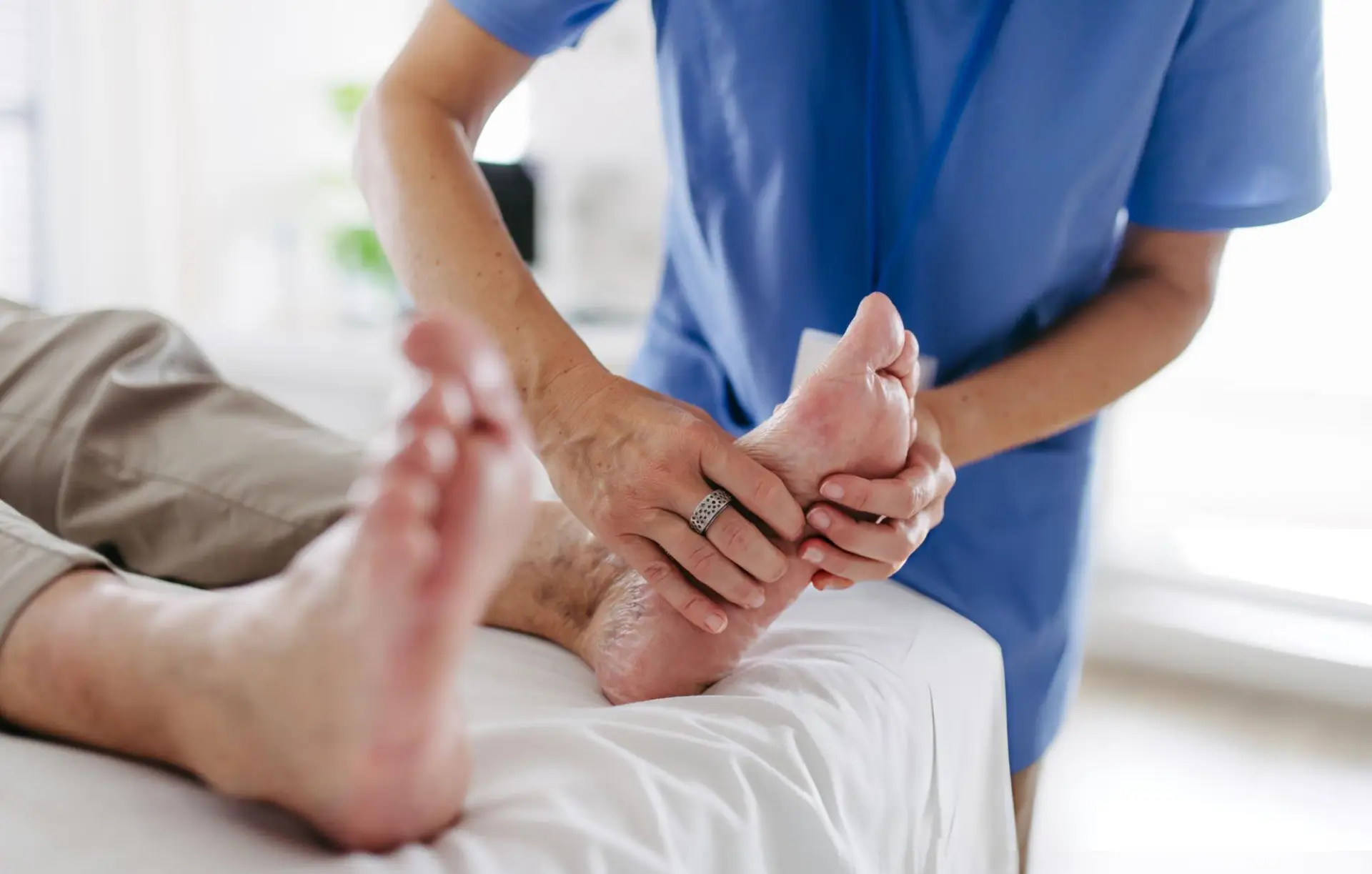
Some shared they noticed less soreness in their feet, especially in the mornings when discomfort tends to spike. Others mentioned regaining the ability to stand longer or walk farther without that numb, tingling feeling. Although MLS laser therapy isn’t a quick fix, several said they appreciated having a plan that didn’t conflict with other care they were getting or their overall cancer recovery process.
Having something that feels simple and low-stress often matters just as much as how effective it is. Between balancing work, family, and ongoing medical appointments, a lot of patients said they were drawn to how easy these sessions were to schedule and recover from. When navigating symptoms that don’t have a clear timeline, feeling supported and less overwhelmed can make a big difference.
Integrating MLS Laser Into A Personal Treatment Plan
Managing chemotherapy-induced neuropathy usually requires more than one approach. Trying a blend of care methods that work well together can often provide the best path forward. Many people pair MLS laser therapy with their primary treatments, physical therapy, or regular check-ins with their care team. Because MLS is non-invasive, it tends to fit without interrupting any existing routines.
Before starting, it’s helpful to discuss goals and expectations. Not everyone will notice the same benefits at the same pace. Gaining relief might take a few sessions, and it often depends on how long symptoms have been present and where the damage is located.
Here’s what a basic start might look like:
1. An initial assessment to figure out target areas and symptom patterns
2. A series of visits spaced out over several weeks
3. Routine check-ins to look at progress and change the plan, if needed
4. Continued sessions if positive changes begin to take shape
Having a plan like this can help people feel like they have direction after dealing with what has possibly been a long, frustrating experience. With chemo-induced neuropathy, it can be hard to know what to expect day to day, so being able to add something steady and structured is often appreciated.
Building Back Comfort In Fairfax
Facing nerve damage after a tough battle with cancer isn’t something anyone signs up for. But the thought of living with ongoing pain, numbness, or tingling doesn’t have to be accepted as the only option. MLS laser therapy offers a gentle way to support recovery, even if the damage happened months or years ago. It’s not meant to cure everything, but it can be part of a plan that gives you more control over how your body feels from day to day.
People in Fairfax exploring this option aren’t looking for miracles. They’re just folks who want to do laundry without pain, go for a walk without worrying about their balance, or finally sleep through the night. When something gives you a better shot at those moments, it’s worth learning more about what it can do.
Experience relief from chemotherapy-induced neuropathy with the innovative approach of MLS laser therapy in Fairfax. At Laser Spine and Pain Center, our goal is to offer non-invasive solutions that bring comfort and enhance the quality of life for those facing nerve-related challenges. Discover how our personalized care can help you manage symptoms more effectively and regain control over your day-to-day activities.